Method
The Best TV Series to Learn English, Sorted by Your Real Level
There is no single best show — there is a best show for your level. Here is the list sorted by difficulty, plus the four factors that decide how hard a series really is.
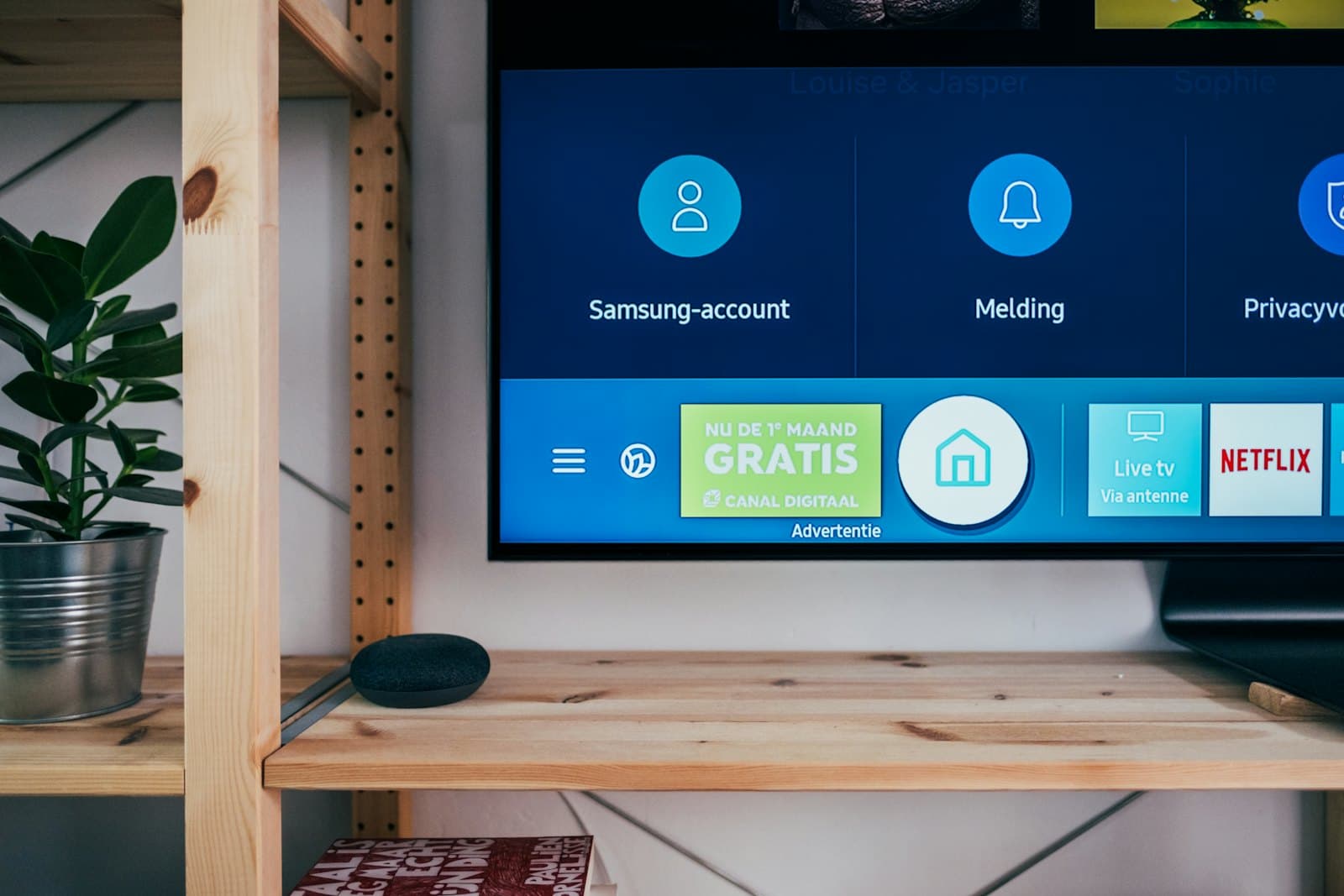
There is no single best TV series to learn English, and any list that claims otherwise is selling you someone else's level. The show that transforms one learner is forty minutes of undifferentiated noise for the next one. A series where eighty percent of the words are unknown is not a learning resource; it is an endurance test you will quietly lose after three episodes.
So this guide sorts shows by the things that actually decide difficulty: words per minute, accent thickness, how much specialist vocabulary the script carries, and how much of the meaning rides on the picture rather than the dialogue. Genre labels tell you almost nothing. A crime drama in standard American English is often far easier than a British comedy.
One thing first: choosing the show is only half the job. The other half is what you do with it, which we set out step by step in the complete method for learning English with TV series. The right show with the wrong method is still passive watching.
What makes a show good for a learner
The single measure that matters is how much of each line you understand. With English subtitles on, around ninety percent comprehension is the sweet spot: familiar enough that your brain can build patterns from it, new enough that you are still learning. Below sixty percent you are not learning, you are guessing, and guessing does not stick.
Four concrete factors drive that percentage, and it is worth checking them before you commit to anything:
- Dialogue density — how many words per minute. Sitcoms have pauses and a laugh track, so your brain gets processing time; tense dramas give you none.
- Accent thickness — standard American is the easiest starting point. Northern English, Scottish and Irish accents are hard even for native speakers.
- Specialist vocabulary — medical and legal shows carry dozens of technical terms per episode that you will never use in conversation.
- Visual-to-dialogue ratio — the more the picture carries, the easier the line. A family sitcom is far kinder than a courtroom.
- Episode length — twenty minutes means one full study cycle in one sitting; sixty minutes usually has to be split across two evenings.

A2: shows you can genuinely start with
If you have just left the beginner stage, you want short sentences, everyday subjects and visuals that carry half the meaning for you. Animation and family sitcoms are exactly that. Modern Family and The Simpsons are the strongest picks here because their vocabulary orbits home, school, food and relationships, which is precisely where your own vocabulary already lives.
At this level your worst enemy is ambition. You will be tempted by the series everyone raves about, and three episodes later you will conclude that learning from television does not work for you. It does. What did not work was a two-level gap between you and the script.
B1: the sweet spot
This is where you get the most return, because most popular shows speak in roughly this band. Friends is the classic: a small recycled vocabulary, short scenes, and pauses that give your brain time to catch up. If that is the show you have picked, we wrote a full guide to learning English with Friends separately.
The Office is the other strong option, especially if workplace English matters to you. Stranger Things also works well here: plain emotional dialogue, heavy use of phrasal verbs, and a plot that will not let you stop — and that refusal to let you stop is arguably a show's most important teaching property.
B2 and above: raising your ceiling
At B2 you are no longer chasing comprehension, you are chasing nuance: sarcasm, tone, the line between formal and casual. Crime and legal dramas like Breaking Bad and Suits teach the compressed language of professional life, while British shows like Sherlock and Peaky Blinders train your ear on varied accents. Do not climb here early. Move up when the rung below has become comfortable, not when it has become boring.
The table puts all of it in one place, so you can see where to start and what to expect when it gets hard.
| Level | What to watch | Why it works | Where it bites |
|---|---|---|---|
| A2 | Modern Family, The Simpsons | Short sentences, domestic topics, expressive visuals | Cultural jokes and references with no context |
| A2 to B1 | Friends | A small, constantly recycled vocabulary and short scenes | Fast sarcastic exchanges and dated slang |
| B1 | The Office, Stranger Things | Workplace English and plain, emotional conversation | Crowded scenes with several people talking at once |
| B1 to B2 | Planet Earth, Chef's Table | A measured narrator speaking in full, slow sentences | Dense specialist vocabulary and long written-style lines |
| B2 | Breaking Bad, Suits | Compressed professional language, two registers side by side | Technical jargon and very fast scenes |
| B2 and above | Sherlock, Peaky Blinders, The Crown | Varied accents and rich vocabulary that lift your ceiling | Thick accents and a high words-per-second rate |
What not to start with
Some excellent shows are terrible first choices. Fantasy and period dramas carry vocabulary you will never need in a real conversation. Medical dramas are stuffed with jargon. Stand-up-style comedies run at a speed that is punishing even at B2. If you love those genres, keep them for month six, when they will be a reward rather than a wall.
Why you should stay with one show for months
Hopping between series is the most common way to waste time here. Every show has its own linguistic world: a bounded set of words, jokes and structures that repeat constantly. Watch thirty episodes of one series and that set comes back to you again and again, and repetition in context is exactly what builds memory. Jump to the next show and you start from zero every time.
The practical rule is to finish a full season before switching. By the end of it, the actors usually seem to be speaking more slowly. They are not. Your ear has retuned, and that is the moment to take the next rung.

Expressions you will hear again and again
So you know what to actually catch from these shows, here are a few of the highest-frequency ones. They are the same flavour of expression we take apart in the slang decoder from popular series, and they recur in every genre:
- what's up withFriends
Used to ask what is wrong with someone or something
“What's up with him today?”
- hold on a secondThe Office
A polite way to interrupt or pause a conversation
“Hold on a second, that is not what I said.”
- make it up to someoneModern Family
To compensate someone for something you did wrong
“I will make it up to you, I promise.”
- figure it outStranger Things
To work something out or find a solution
“Give me a day and I will figure it out.”
- take it easyBreaking Bad
Relax; do not get worked up about it
“Take it easy, nobody is blaming you.”
How to start tonight
- 1
Estimate your level honestly
Watch a three-minute scene with English subtitles and guess what share of it you understood. Under seventy percent, start one row lower in the table. Nobody else sees this number, so be honest with yourself.
- 2
Shortlist two shows, not ten
Take two series from the row that matches your level and run the five-minute audition on each. Whichever flowed more easily wins. More than two options only delays the decision.
- 3
Turn on tappable English subtitles
Native-language subtitles leave your ears idle, and switching subtitles off is premature at this stage. We explain the third option in the guide to English subtitles for learning.
- 4
Commit to one full season
Stay with the show to the end of season one without switching. Then rewatch an early scene; you will hear the difference for yourself, which is the cheapest motivation there is.
The best series, in the end, is the one you understand about ninety percent of and cannot stop watching. Tonight, run the five-minute audition on two candidates and pick one. If you want a larger library of films and series to work through, take a look at Viwa Pro.

Put this into practice with Viwa
Learn English with movies and series
Viwa turns real films and series into an English course. Watch the scene, tap what you did not catch, and keep the words that matter — without ever leaving the player.
- Interactive subtitles: tap any word to see its meaning in Persian and English, with pronunciation, from the built-in offline dictionary.
- Idioms are colour-coded inside the subtitle line and their real, non-literal meaning is extracted by AI — one tap to see it.
- The listener box gives you the sense of the whole sentence, so tone, slang and idiom survive instead of turning into word-by-word mush.
- Swipe to translate, save what you want, and the Leitner box brings it back for review right before you would forget it.
Frequently asked questions
What is the best TV series to learn English for beginners?
At A2, family sitcoms and animation are the best choice, because the sentences are short, the topics are everyday, and the visuals carry much of the meaning. Modern Family and The Simpsons are good examples. If you understand less than seventy percent of a line with English subtitles on, stay in this band a while longer.
Are American or British shows better for learning English?
For starting out, American shows in a standard accent are easier and better supplied with subtitles. British shows expose you to more varied accents and build a stronger ear, but they are usually too hard at A2 and B1. Begin with American series and add British ones after a few months.
How many episodes should I watch before I see results?
A full season, roughly twenty episodes, is usually where the change becomes noticeable. Every show recycles a limited set of words and structures, so by the end of a season that set has come back to you several times. Hopping between shows destroys that repetition and slows everything down.
Are short episodes better than hour-long ones for learning?
Twenty-minute episodes are better. A short episode means you can finish the whole cycle — watch, work one scene, mine vocabulary, review — in a single sitting. Hour-long episodes usually have to be split across two evenings, which weakens the consistency the method depends on.
How do I know if a series is too hard for my level?
Use a simple test: watch five minutes from the middle of the first episode with English subtitles on. If you had to rewind more than three times, or caught less than seventy percent of the lines, the show is too early for you. Drop one row and come back to it in a few weeks.